
In our unpredictable world, knowing the basics of first aid can make a crucial difference. Accidents and emergencies can happen anytime, anywhere, and being equipped with the right knowledge can save lives. This comprehensive guide will delve into First Aid Fundamentals: Lifesaving Techniques in Emergency Situations, providing you with invaluable insights and practical skills to handle crisis situations confidently.
First Aid Fundamentals: Lifesaving Techniques in Emergency Situations
When it comes to responding to emergencies, understanding and applying first aid fundamentals is paramount. Here, we’ll explore key techniques that can make a significant impact in critical situations.
Assessing the Scene
Before rushing to help, the first step is always to assess the scene for safety. Ensure you are not putting yourself at risk. Call 911 if necessary and make sure the area is secure for both you and the victim.
Performing CPR (Cardiopulmonary Resuscitation)
CPR is a life-saving skill that can mean the difference between life and death. Begin by checking for responsiveness and, if necessary, start chest compressions and rescue breaths. Proper training is essential, so consider taking a CPR course to ensure you’re well-prepared.

Managing Severe Bleeding
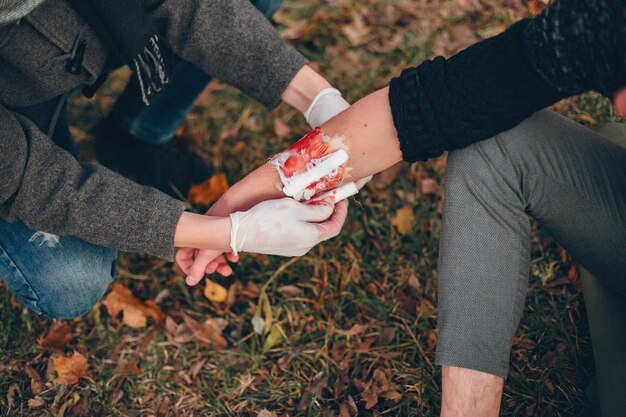
In situations involving severe bleeding, it’s vital to control it quickly. Apply direct pressure on the wound with a clean cloth, and if necessary, use a tourniquet to stop the bleeding temporarily. Seek professional medical assistance as soon as possible.
Treating Burns
Burns can be excruciating and dangerous. For minor burns, run cool water over the affected area. For more severe burns, seek medical help immediately. Do not use ice, creams, or adhesive bandages on burns.
Dealing with Choking
Choking can happen suddenly and be life-threatening. If someone is choking, perform the Heimlich maneuver by giving quick abdominal thrusts to dislodge the object obstructing their airway.
Providing Basic First Aid for Fractures
In case of fractures or broken bones, immobilize the injured area with a splint to prevent further damage. Keep the injured limb elevated to reduce swelling, and seek professional medical care.

Recognizing Stroke Symptoms
Understanding the signs of a stroke is crucial. Use the FAST acronym: Face (is it drooping?), Arms (can they be raised?), Speech (is it slurred?), and Time (act fast). Immediate medical assistance is essential if someone shows these symptoms.
FAQs
How do I remember these first aid fundamentals under stress? In stressful situations, it’s easy to forget what you’ve learned. The key is practice and repetition. The more you practice these skills, the more likely you are to remember and use them effectively when needed.
Are there any age restrictions for learning first aid? No, there are no age restrictions for learning first aid. Basic first aid skills are valuable for everyone, from children to seniors.
What should I include in a basic first aid kit? A basic first aid kit should contain items like bandages, antiseptic wipes, scissors, adhesive tape, CPR face shield, gloves, and emergency contact information. Tailor it to your specific needs.
Is it essential to renew CPR certification regularly? Yes, it’s essential to renew your CPR certification every two years. Techniques and guidelines may change, so keeping your skills up-to-date is crucial.
**Can I be held legally responsible for providing first aid in an emergency? In most cases, no. Good Samaritan laws protect individuals who provide reasonable assistance during an emergency from legal liability. However, the specifics can vary by jurisdiction, so it’s essential to be familiar with your local laws.
**Should I attempt first aid before calling 911? For life-threatening situations like cardiac arrest, calling 911 should be the absolute first step. Time is of the essence, and professional medical help is required.
Conclusion
First Aid Fundamentals: Lifesaving Techniques in Emergency Situations is a skill set that can make a significant difference when it matters most. By assessing the scene, performing CPR, managing bleeding, and understanding how to respond to various emergencies, you can become a valuable asset in times of crisis. Remember, practice and preparation are key. Get trained, stay informed, and be ready to save a life when the need arises.








Add comment